loader image

Category: Blog

Your blog category

  • How To Make The Best Converting Ads On Facebook: “5” Best Practices

    How To Make The Best Converting Ads On Facebook: “5” Best Practices

    Facebook ads can be one of the best ways to elevate your sales. Without a proper tactic, running Facebook ads would be like throwing darts blindfolded. This can result in expensive and unpredictable results, leaving your marketing goal behind. If you’re also struggling with creating the best converting ads on Facebook, you have come to the right place. In this blog, we’ll break down five proven best practices to create Facebook ads that drive results. Whether you want more leads, more sales, or more sign-ups, these tips will help you maximize your return on ad spend (ROAS) and stop wasting money on low-performing campaigns.

    What Is Meta Ads: An Overview

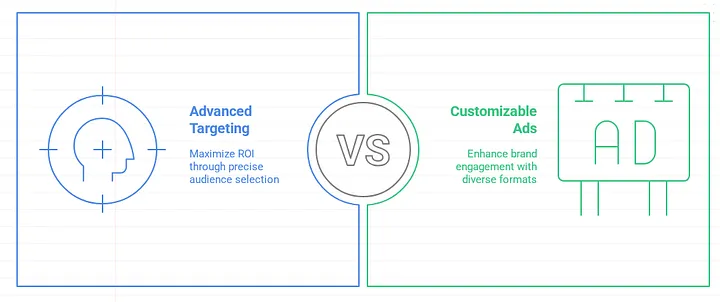
    Meta Ads, formerly known as Facebook Ads, are paid advertisements that appear across Meta’s platforms, Facebook, Instagram, Messenger, and the Audience Network. These ads help businesses target specific audiences using user demographics, interests, and behaviors. Whether it’s a photo, video, carousel, or story ad, Meta Ads are highly customizable, letting brands run campaigns that meet objectives like brand awareness, lead generation, or conversions.

    After knowing what is Meta Ads, it is important to know that the advanced targeting tools and performance tracking make Meta Ads a favorite among marketers who aim for high ROI.
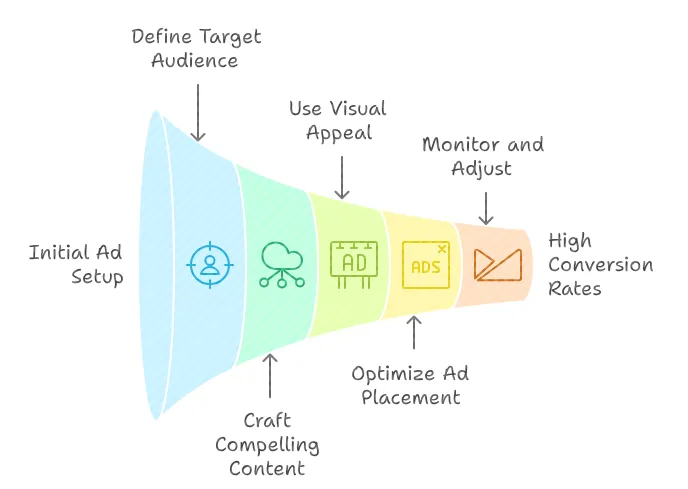
    Crack the Code: “5” Proven Hacks for Best Converting Ads On Facebook

    If you’re pouring money into Facebook ads but not seeing the results you want, you’re not alone. The platform is powerful, but only if you know how to use it right. Crafting ads that convert requires more than flashy visuals and catchy slogans. You need a strategy rooted in what works. Ready to stop guessing and start getting clicks that count?
    Here are 5 proven hacks for high-converting ads on Facebook that will help you level up your ad game.

    1. Start With a Strong Hook

    The first few seconds matter more than anything else. People scroll fast, and it’s gone if your ad doesn’t grab attention immediately. The hook can be visual, textual, or both. Your job is to stop the scroll. A strong hook pulls someone in before they even realize they’re looking at an ad. That moment of interest is where conversion starts.

    Visual Hook

    Use bold colors, expressive faces, or motion in your images or videos. Bright, high-contrast designs tend to stand out. A human face looking directly at the camera can increase engagement. Short, punchy video clips that get to the point fast are also effective. Don’t be afraid to be slightly disruptive with your creative choices, a quirky image or unexpected visual pattern can be the thing that makes someone stop scrolling.
    Stock imagery often blends in. Instead, go for original, eye-catching content that feels native to the platform. If you’re using video, consider starting with movement or a strong facial expression in the first second to hook viewers right away.

    Textual Hook

    The first line of your ad copy should spark curiosity, identify a pain point, or offer a benefit. Here are a few examples:
    It’s important to make it clear that you’re writing for your audience, not yourself. Use the language they use and talk about what they care about. Keep it benefit-first, problem-aware, and emotionally resonant. A great hook tells your audience: “This is for you.”

    2. Keep the Message Focused

    Too much information is often included in one ad; it’s one of the most common mistakes. You’ve got limited space and attention span, so stick to one core message. One ad, one offer. That’s the rule. Trying to cram multiple benefits or CTAs into one ad makes it less clear, and clarity is one of the most important factors when it comes to conversions.
    If you’re promoting a free trial, the entire ad should support that trial, its value, what users get, and how easy it is to sign up. If you’re advertising a product, zero in on its most compelling benefit or unique selling point. The goal is to create a singular, focused experience that doesn’t leave the user guessing what to do next.
    Avoid jargon and fluff. Use clear, conversational language. Here’s a before-and-after example: Before: “Our revolutionary meal planning software helps you optimize your nutrition intake and streamline your dietary habits.”
    After: “Plan your week’s meals in 10 minutes. Eat better, waste less.” Clean copy wins. Brevity is your ally. Stick to the point, and drive home a singular idea with clarity and conviction. And remember: people don’t read ads, they scan them. Make every word work.

    3. Use Social Proof Like a Weapon

    Humans are wired to follow the crowd. We trust what other people say more than what brands say. That’s why social proof is one of the most powerful tools in your Facebook ad strategy. When users see that others are happy with your product, they feel more confident giving it a shot.

    Types of Social Proof:

    The first line of your ad copy should spark curiosity, identify a pain point, or offer a benefit. Here are a few examples:
    It’s important to make it clear that you’re writing for your audience, not yourself. Use the language they use and talk about what they care about. Keep it benefit-first, problem-aware, and emotionally resonant. A great hook tells your audience: “This is for you.”

    How to Use It:

    Incorporate social proof directly into your visuals or copy. For example:
    You can also use screenshots of real reviews or short testimonial clips in your video ads. Highlight real names, faces, and even numbers when possible. Authenticity matters; make your social proof feel real, not scripted.
    Don’t have user-generated content yet? Ask customers to share their stories, run a contest, or offer incentives for content submissions. The more real people you can show benefiting from your offer, the better.

    4. Nail the Call To Action (CTA)

    It’s impossible to expect people to do anything if you don’t tell them what they should do next. Your CTA needs to be:
    Bad CTA: “Learn More” (too vague)
    Better CTA examples:
    You should also back up your CTA in the copy. Repeating it reinforces the action. Give people a reason to act now. Create urgency if possible: “Offer ends Friday,” or “Limited spots available.” Example: “Try it free for 7 days. No credit card needed. Click ‘Start Free Trial’ to begin.”
    It is even better to test your CTAs across different formats. Carousels, video ads, and static images can each benefit from tailored CTA placement. And if you’re thinking about how to create a marketing funnel, you can match the CTA to the user’s intent, don’t ask cold traffic to buy right away, but warm them up with softer actions like reading a guide or watching a demo.

    5. Test Everything

    The best Facebook advertisers aren’t always the most creative, they’re the most data-driven. Testing lets you find what works, instead of guessing. Facebook’s algorithm favors high-performing ads, so testing can directly lower your costs.

    What to Test:

    How to Test:

    It is also important to make sure you track the right metrics. Click-through rates (CTR), conversion rates, cost per acquisition (CPA), and return on ad spend (ROAS) are your friends. Don’t just track likes or comments, they don’t pay the bills.

    Bonus Tips

    Use Retargeting Wisely

    Not everyone will convert the first time. Set up retargeting campaigns to bring back people who:
    Your second or third touchpoint often converts better than the first. Retargeting helps reduce wasted traffic and gives you another shot at converting users who showed interest. You can also create sequential ads to tell a story over time, ad one builds awareness, ad two builds desire, and ad three pushes action.

    Optimize For Mobile

    Most Facebook users are on mobile. Make sure:
    A slow-loading or poorly designed mobile landing page will kill your conversions. After understanding how to create a marketing funnel, it’s important to check your entire funnel on mobile before launching your campaign.

    Match Ad To Landing Page

    Don’t bait-and-switch. If your ad says “30% off sneakers,” the landing page better be about sneakers and clearly show that discount. Keep visuals, tone, and messaging consistent. Consistency reduces bounce rates and increases trust.

    Real Ad Example Breakdown

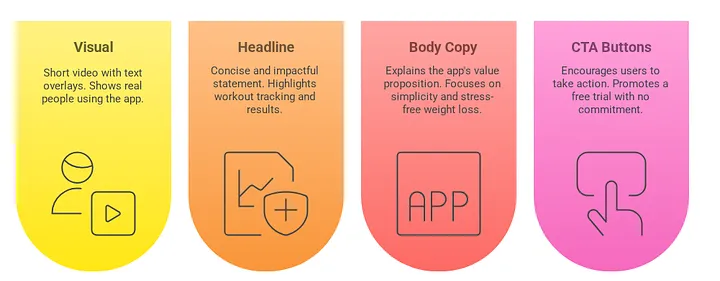
    Here’s the best converting ads on Facebook structure for a fitness app:

    Why it works:

    This ad speaks to its audience, focuses on a specific value proposition, and makes the CTA low-barrier. It’s a great template to model for other products.

    Is Facebook Advertising Worth It?

    Facebook advertising isn’t about flashy tricks or hacks. It’s about understanding your customer, speaking their language, and using the platform’s tools smartly. If you follow these five best practices, your Facebook ads will start doing what they’re supposed to do: convert. Stop wasting money on weak creative, scattered messaging, or untested ideas. Instead, get strategic, get specific, and get results.

    Boosting Your Facebook Advertising Strategy Is Just A Click Away With Creative’s Genie!

    Are you tired of seeing no results with your Facebook ads? Creative’s Genie is here to make Facebook advertising simple and effective for you. We’ll create eye-catching ads, find the right people to show them to, and make sure your money is being spent smartly. Contact our team today and let us handle the ads and help bring in more clicks, leads, and sales.

    FAQs

    At Creative’s Genie, the best converting ads on Facebook aren’t just about likes, it’s about results. Whether it’s leads, sign-ups, or sales, we craft ad campaigns that blend eye-catching visuals, persuasive messaging, and laser-focused targeting to deliver real ROI for our clients.
    We recommend starting with a manageable budget, around $5 to $15 per day, especially if you’re testing. Once our creative strategies start showing traction, we help you scale confidently for bigger impact and stronger returns.
    Targeting is our secret sauce. We dive deep into your ideal customer’s behaviors, interests, and demographics to create highly tailored audience segments. Getting the perfect ad in front of the right audience is the main goal.
    If you know what is A/B testing, it is part of every campaign we run. The marketing experts at Creative’s Genie experiment with creatives, copy, and call-to-actions to see what clicks best. This helps us fine-tune your campaigns for maximum conversions.
    Typically, we recommend giving any ad set 3–7 days to gather performance data before making major changes. But don’t worry, we closely monitor all ads from day one, making data-driven tweaks to keep your campaign moving in the right direction.
  • How To Make A Sales Funnel? A Step-By-Step Guide To Converting Leads In 2025

    How To Make A Sales Funnel? A Step-By-Step Guide To Converting Leads In 2025

    A business isn’t just about getting customers, it’s about guiding them through a seamless journey from interest to purchase. This journey is called a sales funnel, a structured process to convert leads to paying customers. If you’re stuck with the same question, “how to make a sales funnel, this blog is a must-read.

    In 2025, with changing consumer behaviors and evolving digital marketing trends, businesses need to refine their sales funnels to stay ahead of the game. Having a website or running ads is not enough, you need a comprehensive strategy to nurture leads at every stage. This blog can help you learn what is a sales funnel in digital marketing, and how to make a sales funnel so you can increase conversions, capture more leads, and convert prospects to customers.

    What Is A Sales Funnel In Digital Marketing?

    A sales funnel in digital marketing is considered an effective strategy used to convert prospective clients into regular customers through a strategic journey. This journey starts from the moment your potential customers discover your brand to the final stage where the consumer decides to make a purchase. All the stages of a funnel play an important role in boosting conversions and generating revenue. With a sales funnel in digital marketing, enterprises can convert leads, attract, and engage their target audience using different digital marketing strategies.

    A sales funnel is necessary for firms as it provides them with the opportunity to identify the weak points in their sales techniques. One of the best ways to create an effective strategy if you’re starting for the first time is to partner with an agency. Creative’s Genie is your trusted partner in making the most out of your digital marketing efforts. Explore our marketing services today.

    The Examples Of A Sales Funnel

    E-commerce Funnel:

    A customer starts by browsing your site. They look at different products, add a few to their cart, and eventually head to checkout. Before they know it, they’ve completed the purchase.

    Lead Generation Funnel:

    Someone downloads a free ebook or whitepaper from your site, giving you their contact details. You then follow up with emails offering more helpful resources or services. Eventually, they’re ready for a sales call or a demo to learn more.

    Subscription Funnel:

    A person signs up for a free trial or newsletter. Over time, they receive value-packed content or special offers. These little nudges convince them to make the leap and subscribe to a paid service.

    Consultation Funnel:

    A prospect discovers your service through an ad or blog post and signs up for a free consultation. During the consultation, you dive into their needs and pain points, offering a tailored solution. By the end, they’re ready to make a purchase.

    The Four Stages Of A Sales Funnel

    Awareness

    It’s the initial stage at which businesses attract potential customers through SEO, social media, ads, and content marketing to create brand awareness and generate interest.

    Engagement

    Here, businesses offer valuable content like blog posts, webinars, and free resources to build trust, encourage interaction, and move leads further down the funnel.

    Decision

    Potential customers evaluate whether to purchase. Businesses nurture leads with testimonials, offers, and personalized recommendations to drive purchasing decisions.

    Action

    This is the last stage at which the leads convert into customers. A smooth buying process and post-purchase engagement, like support and follow-up, enhance satisfaction and retention.

    How Do I Create a Sales Funnel?

    The next question in your mind must be “how do I create a sales funnel?” Creating an effective sales funnel involves understanding how to make a sales funnel through which potential customers take from initial understanding about your business to completing the purchase. Here’s a more detailed breakdown of each stage of the sales funnel:

    Awareness:

    In the first stage, your goal should be to attract the right audience to make them aware of your brand. You can utilize various marketing strategies like SEO, social media marketing, paid ads, and content marketing. The main goal is to capture the audience’s attention and keep them hooked with your products or services. The goal is to generate curiosity among the audience so they search more and more about your business. The best ways to create awareness are through engaging blog posts, social media posts, click-worthy advertisements, and informative videos.

    Engagement :

    After you have built awareness of your business among a wider audience, the next step is to stay consistent in engaging them with relevant strategies. This could be done by providing valuable and purposeful content that can resonate with the needs and interests of your audience. You can try various strategies that include newsletters, free resources like eBooks and webinars, or quick surveys and quizzes. At the engagement stage, the main goal is to build trust with your audience to keep them interested and help them realize the value of your products or services.

    Decision:

    The next is the decision stage, the one where your leads will evaluate whether or not to purchase a product from you or utilize your services. At this stage, you will have to encourage these leads by providing them with appealing content that convinces them to take the next step, that is, choosing your services or products. You can convince them by showcasing testimonials, case studies, special offers, and discounts. You can also provide personalized recommendations or comparison guides that address the common concerns of your audience.

    Action:

    The final stage of the sales funnel is when the prospects become paying customers. To provide a seamless purchasing process of your products, your website must provide a seamless user experience by providing clear calls to action and easy navigation along with multiple payment options. Post-purchase engagement, like Follow-up emails, can help improve customer satisfaction and encourage repeat business. On the other hand, if you’re providing a service, you must make sure that your website indicates your company’s motive. Provide a smooth user experience to help your clients understand your company’s nature better.

    The Benefits Of A Sales Funnel

    If you’re thinking about what is sales funnel in digital marketing, it’s a powerful tool that helps businesses convert leads into customers systematically. By structuring the customer journey from awareness to purchase it allows businesses to engage, develop, and convert leads more efficiently. Here are 10 key benefits of using a sales funnel for your business

    More Conversions:

    Make a sales funnel effective so that it drives conversions. The funnel nurtures leads through every stage of the buying process. At each stage, potential customers get valuable information that addresses their needs and concerns. By guiding leads through the funnel, businesses increase the chance of converting prospects into paying customers. Without a sales funnel, leads get lost and businesses miss out.

    Clear Customer Path:

    A sales funnel gives clarity on the customer journey from start to finish. By having a clear path for leads to follow, businesses can better understand their audience’s behavior and needs. This clarity helps in creating targeted marketing campaigns that speak directly to the pain points and desires of potential customers. Instead of being reactive, businesses can proactively guide prospects through each stage of the funnel. Whether through informative blog posts, engaging social media content, or strategic emails, every piece of content moves customers closer to buying and streamlines the buying process.

    More Focus On Qualified Leads:

    With a sales funnel, businesses can focus on qualified leads rather than throwing everything at everyone and hoping for conversions. The funnel helps businesses identify where leads are in their buying journey, and so they can prioritise those who are most likely to convert. Leads further down the funnel (who engage with content, attend webinars, or request demos) are warmer prospects and require less effort to convert. This targeted approach saves time, reduces marketing costs, and ensures resources are invested in the most promising opportunities.

    More Revenue and ROI:

    By optimising your sales funnel, you can drive more revenue and get better ROI. A well-designed funnel ensures no opportunities are wasted and gives businesses more understanding of their conversion rates. With this information, businesses can improve their sales strategy, refine their marketing, and optimize customer interactions. By nurturing leads through each stage of the funnel and converting at a higher rate, businesses can see a direct increase in sales and improve their bottom line, and maximize their marketing return.

    Better Customer Insights:

    Sales funnels give you better insight into customer behaviour so you can get to know your target audience better. By tracking where leads are in the funnel, you can see where the biggest drop-offs are or which marketing tactics work best. That information is key to refining your marketing and tailoring your content to your potential customers’ needs. Knowing where leads are in the funnel also helps you create personalised experiences, which leads to higher engagement and better conversions.

    Better Customer Insights:

    Still confused about what is sales funnel in digital marketing? With a sales funnel in place, you can streamline your marketing efforts by focusing on what works. The funnel tells you which channels and tactics to use at each stage of the buying journey. Instead of a one-size-fits-all approach, you can tailor your content and strategies to your audience at each point. Every marketing activity can be aligned to the funnel so you can create a more cohesive and effective way of attracting and converting leads.

    Automation Of Marketing

    One of the biggest benefits to make a sales funnel is the ability to automate marketing. With marketing automation tools, you can create automated email sequences, social media posts, and lead nurturing campaigns that run without human intervention. That saves time and ensures leads get timely and consistent messages that move them through the funnel. This helps engage more leads without increasing labour costs.

    Better Customer Retention

    A well-managed sales funnel doesn’t stop at the point of sale. Post-purchase engagement is part of the funnel and plays a big role in customer retention. Once a lead has converted into a customer, you can continue to engage them through personalised follow-ups, loyalty programmes, and customer support. That ongoing engagement helps build long-term relationships with customers, which increases the chance of expanding your customer base and driving more sales.

    Scalability

    Sales funnels are highly scalable, which is why they are perfect for businesses that want to grow. As your business grows, your marketing efforts, the funnel can adapt to handle more leads without losing effectiveness. With automation and refined strategies in place, the funnel can accommodate more prospects at each stage of the buying journey. That means you can reach a bigger audience and grow your business without a direct increase in marketing or sales staff. As you grow, the funnel remains a tool to manage and convert leads efficiently, so sustainable growth.

    A Better Alignment Between Sales And Marketing

    A well-structured sales funnel improves alignment between sales and marketing teams. Since both departments are working with the same framework, they can collaborate more effectively to drive leads through the funnel. This optimizes the entire sales process, reduces miscommunication, and increases the overall effectiveness of the marketing and sales efforts, leading to better results for the business.

    Create A Successful Sales Funnel In Digital Marketing With Creative’s Genie!

    The digital marketing team at Creative’s Genie is dedicated to providing your business with the best possible growth results. With our social media marketing and advertising services, you can create a more high-converting sales funnel. We work closely with businesses of all sizes to streamline campaigns, ensuring that each project is completed flawlessly and on time. Connect with our team and boost your business today!

    FAQs

    A sales funnel is a step-by-step process that guides potential customers from first discovering your brand to eventually making a purchase. It visualizes the customer journey, starting with awareness, followed by interest, consideration, and fin

    In lead generation, a sales funnel focuses on attracting potential customers and nurturing them into qualified leads. It starts with capturing attention (via ads, content, or social media), collecting contact information (like through a lead magnet or form), and building trust through follow-ups until the lead is ready to buy or book a service.

    In business, a sales funnel is a strategic framework used to drive growth. It helps businesses understand how to attract, engage, and convert prospects. By mapping out each step, from first touchpoint to final sale, businesses can optimize their marketing and sales efforts, improving efficiency and increasing revenue.

    Think of a sales funnel like this: someone views your Instagram reel and plans to follow your page because of your page’s valuable content. After some time, they come across your Facebook ad and sign up for your lead magnet. Since they engage regularly with your content, they will gradually become your client when your business has the solution to their specific problem.

    The sales funnel includes four main stages: awareness, interest, decision, and action. Each step helps move a potential customer closer to making a purchase.